
About Us
Overview
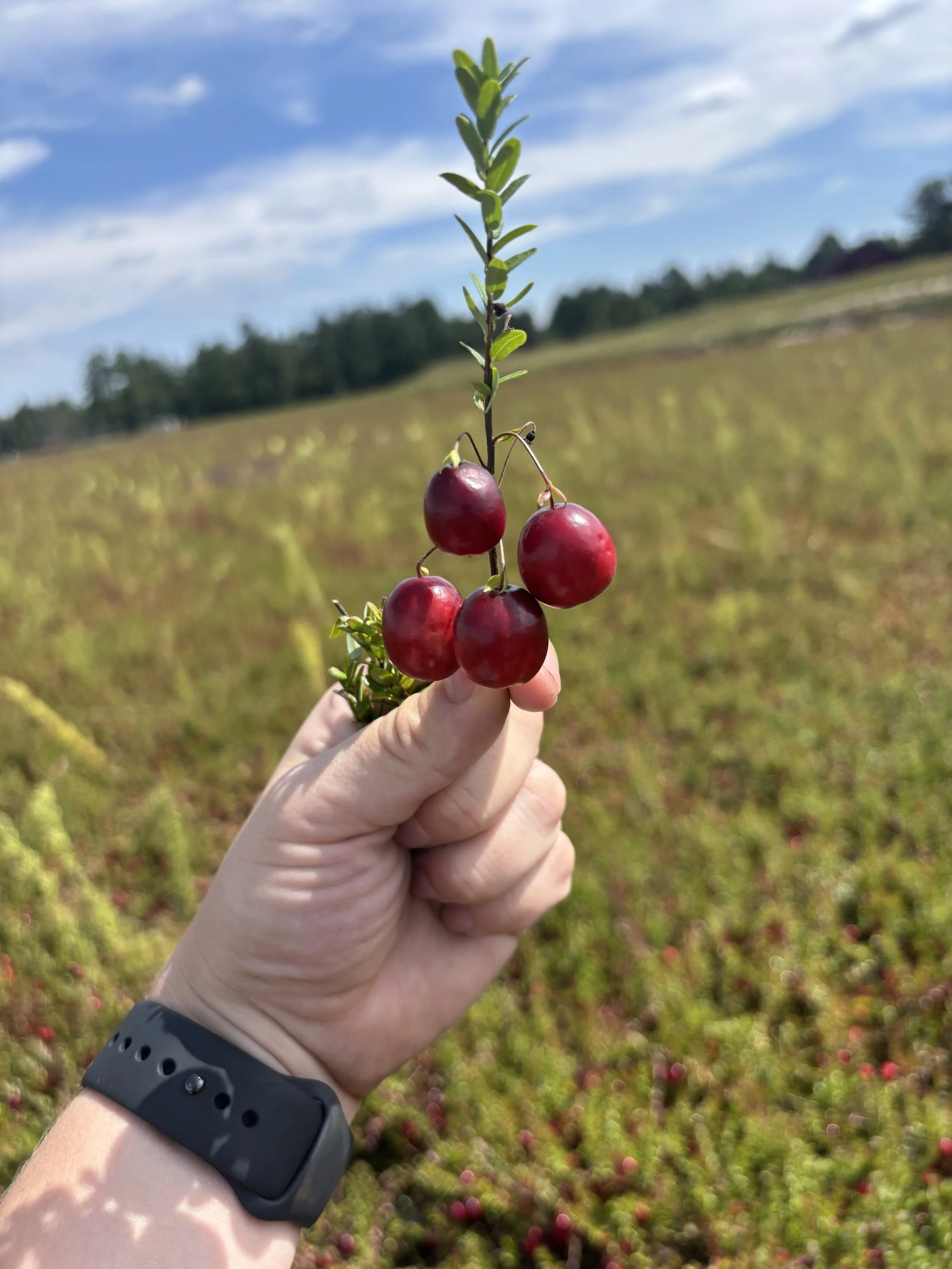
The Wisconsin Cranberry Research & Education Foundation (WCREF) is a grower-led nonprofit organization dedicated to advancing Wisconsin’s cranberry industry through collaborative research, education, and industry learning opportunities. WCREF establishes and maintains partnerships to develop practical solutions that support long-term success and sustainability of cranberry growers across the state.
The Cranberry Innovation Center (CIC) is an initiative of WCREF. Established in 2017 as the Wisconsin Cranberry Research Station, it was renamed the CIC in 2025 to better reflect its expanded role in research, education, collaboration, and innovation. The CIC serves as a dedicated hub where growers, researchers, industry partners, students, and the public come together to support the future of cranberry production.
WCREF is a non-profit, tax-exempt public charity. The Wisconsin State Cranberry Growers Association (WSCGA) provides administrative support services to WCREF, helping facilitate the foundation’s programs, operations, and outreach efforts that benefit Wisconsin’s cranberry industry.
Through field trials, grower trainings, industry events and public engagement, the center helps turn scientific discovery into practical solutions while fostering connections across generations of growers, researchers and industry partners.
Facilities
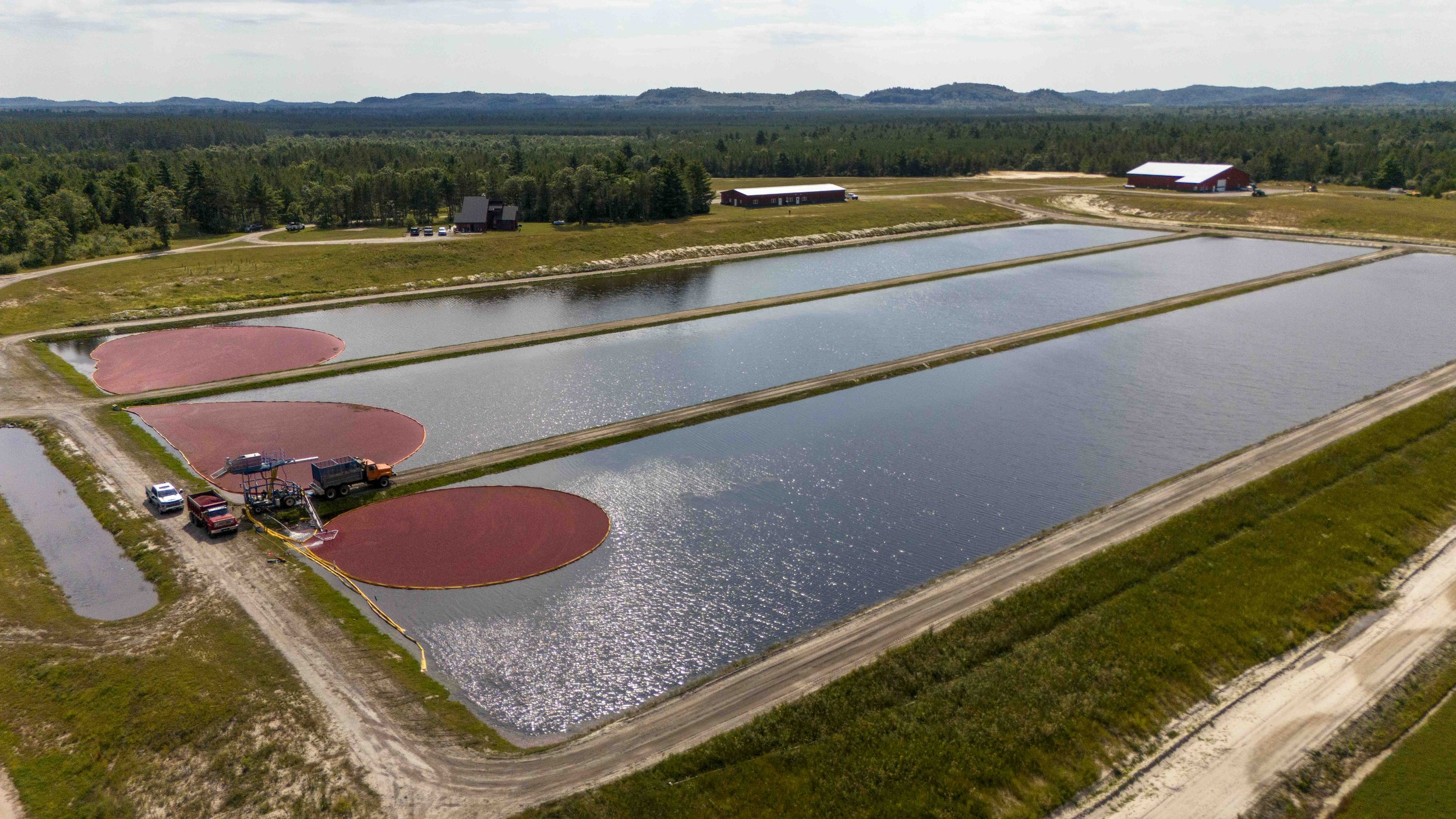
Located on 130 acres near Black River Falls, WI, the Cranberry Innovation Center (CIC) combines active cranberry production with modern research and education facilities designed to support applied research, grower learning, and industry collaboration.
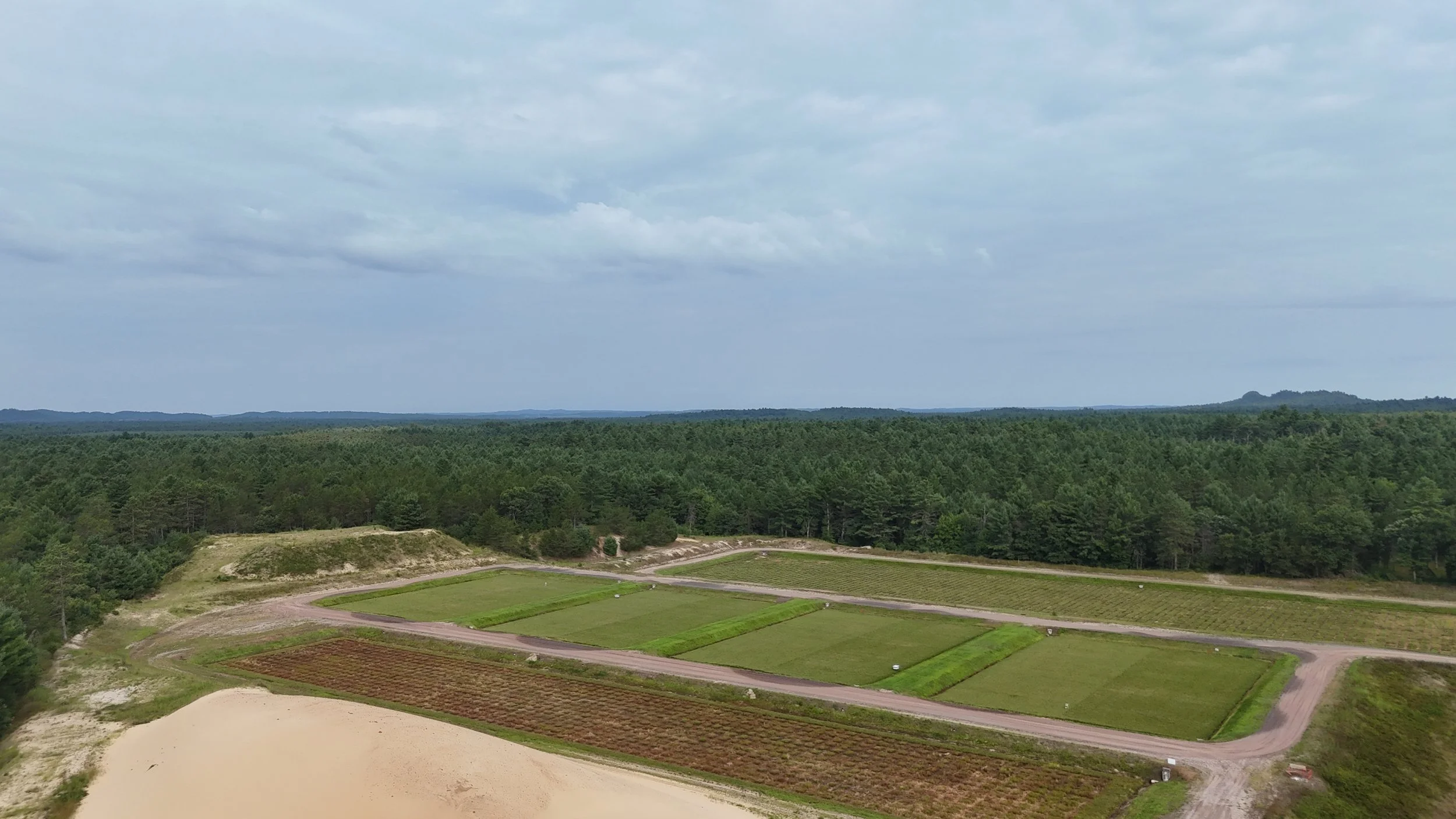
The property includes 32 acres dedicated to cranberry production and research, including commercial production beds, experimental research plots, and the second largest diverse cranberry variety trial collection in the world. The remaining acreage supports water management infrastructure, natural support land, and future research opportunities.
Facilities at the CIC include:
A research and education center with meeting, classroom, and collaboration space
Laboratory facilities supporting cranberry research and analysis
A dedicated maintenance and equipment shop
Research and commercial cranberry beds
Variety trial research beds
Water management infrastructure connected to Robinson Creek
Outdoor areas used for field demonstrations, tours, and educational programming
As an initiative of WCREF, the CIC continues to evolve to meet the needs of Wisconsin cranberry growers while providing a place where research, education, and collaboration come together.
Our Mission
Our mission is to drive innovation by conducting and supporting cranberry research, promoting sustainable cultivation, and empowering grower success through science, education, connection, and shared knowledge. The Foundation also serves as a global ambassador for cranberries in agriculture, health, and heritage while sharing and protecting the legacy of the cranberry industry.
Our Core Values

Innovation
We are committed to being both learners and teachers, embracing new ideas and creative thinking to advance the future of cranberry science and cultivation while sharing knowledge that empowers growers and strengthens the cranberry industry.

Collaboration
We partner with growers, researchers, educators, and global stakeholders to amplify impact, provide connection, and share knowledge, both within the industry and with consumers.

Sustainability
We honor our role as stewards of the land, water, our community, and the legacy we’ll leave for future generations by prioritizing long-term environmental health and responsible resource management in everything we do.

Integrity
We act with honesty, transparency, and accountability, earning and maintaining trust through rigorous science, ethical conduct, and responsible leadership.
Marsh History
The Cranberry Innovation Center is rooted in nearly a century of Wisconsin cranberry production.
The property was originally established as a working cranberry marsh by Emil Janke, who purchased the land in 1930. Two years later, he constructed the property's first timber dam on Robinson Creek to provide a reliable water source for cranberry production. In 1937, Janke planted the first cranberry beds, harvested his first crop in 1940, and completed the marsh's first commercial harvest in 1945.
In 1946, Emil's son, Arthur Janke, assumed operation of the marsh and expanded production from two beds to eight, growing approximately 18 acres of harvested cranberry vines. The property remained an active family cranberry marsh for decades, reflecting the ingenuity and dedication of Wisconsin's early cranberry growers.
In 1981, the marsh was purchased by the Bible family and became part of Bible Cranberry Company. During their ownership, the marsh expanded to approximately 33 acres of cranberry production while continuing its tradition as a productive Wisconsin cranberry operation.
Recognizing the need for a permanent home dedicated to cranberry research and education, the Wisconsin Cranberry Research & Education Foundation (WCREF) acquired the property in 2017. The Foundation transformed the marsh into a modern research station where growers, researchers, and industry partners could work together to address the challenges and opportunities facing cranberry production.
The facility has continued to grow through significant investments in infrastructure, research capabilities, and educational programming. In 2024, a new maintenance and equipment shop expanded the site's operational capacity. In 2025, the Wisconsin Cranberry Research Station was renamed the Cranberry Innovation Center to better reflect its expanding role—not only as a research facility, but also as a destination for grower education, collaboration, public engagement, and innovation.
Today, the Cranberry Innovation Center honors the legacy of those who cultivated this property while serving as the home of cranberry research, education, and innovation in Wisconsin. Guided by WCREF and supported by growers, researchers, partners, and donors, the Center continues to invest in the future of Wisconsin's cranberry industry for generations to come.